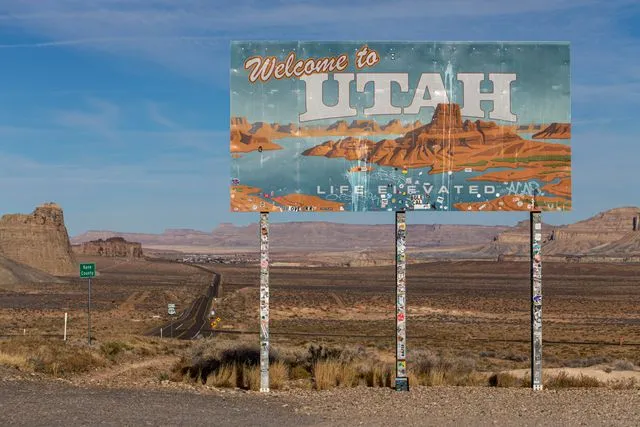
Utah’s Mighty 5 refers to the state’s five national parks — Zion, Bryce Canyon, Capitol Reef, Arches, and Canyonlands — each within a reasonable drive of one another and each strikingly different from the next. Together they form one of the most rewarding road trips in the American Southwest, moving from towering sandstone canyons to hoodoo-filled amphitheaters, layered desert cliffs, red-rock arches, and sweeping canyon overlooks carved by two rivers.
For travelers weighing a Utah Mighty 5 road trip, the questions are usually the same: How many days do you actually need? Is it possible to see these parks without serious hiking? What’s the best time of year to go, and where should you base yourself along the way? This guide walks through all of it — what each park offers, how to sequence the drive, itinerary options for different trip lengths, and the planning details that make the difference between a trip that feels rushed and one that feels like it was designed just for you.
Whether this is a first national park trip or a long-anticipated return to the desert, Utah’s Mighty 5 delivers some of the most photographed, most talked-about scenery in the country — and it’s very achievable to plan well.
What Are Utah's Mighty 5?
Utah’s Mighty 5 is the nickname for the state’s five national parks: Zion, Bryce Canyon, Capitol Reef, Arches, and Canyonlands. All five sit in southern and southeastern Utah, generally arranged along a loop that runs from the Zion area in the southwest, east through Bryce Canyon and Capitol Reef, and up toward Moab, home to both Arches and Canyonlands.
The parks became known as a single travel concept because of geography as much as scenery. They’re close enough together to link into one connected road trip, yet different enough that no two days feel repetitive. Zion is defined by dramatic canyon walls and a river-carved landscape. Bryce Canyon is known for its otherworldly hoodoos and high-elevation amphitheaters. Capitol Reef offers a quieter, less-crowded look at colorful sandstone domes and historic orchards. Arches is famous for its concentration of natural stone arches, including Delicate Arch. Canyonlands, the largest and most rugged of the five, offers vast canyon views carved by the Colorado and Green Rivers.
Because each park has its own personality, pacing, and best activities, many travelers plan around a comparison of what each one offers before deciding how much time to spend at each stop.
|
Park
|
Best For
|
Highlights
|
Recommended Time
|
|---|---|---|---|
|
Zion National Park
|
Canyon scenery, iconic hikes, first-timers
|
Zion Canyon, The Narrows, Angels Landing, shuttle system
|
2–3 days
|
|
Bryce Canyon National Park
|
Hoodoos, sunrise views, photography
|
Bryce Amphitheater, Sunrise/Sunset Point, rim trails
|
1–2 days
|
|
Capitol Reef National Park
|
Fewer crowds, scenic drives, history
|
Scenic Drive, Fruita orchards, Capitol Gorge
|
1–2 days
|
|
Arches National Park
|
Iconic arches, sunset photography
|
Delicate Arch, Windows Section, Devils Garden
|
1–2 days
|
|
Canyonlands National Park
|
Big-view overlooks, dramatic landscapes
|
Island in the Sky, Mesa Arch, Grand View Point
|
1 day
|
Recommended times above are general planning ranges rather than fixed rules — pacing depends on your interests and trip length.
The 5 Utah National Parks at a Glance
Each of these parks deserves its own deep dive, and future guides in this series will cover them individually. Here’s an overview to help with initial planning.
Zion National Park
Why visit: Zion is often the most anticipated stop on a Mighty 5 itinerary, known for its towering canyon walls and the Virgin River running through the valley floor.
Top experiences: Zion Canyon Scenic Drive, the Riverside Walk, The Narrows, and viewpoints along the canyon shuttle route.
Best for: First-time visitors, couples, and travelers who want a mix of easy walks and more challenging hikes.
Recommended time: 2–3 days.
Bryce Canyon National Park
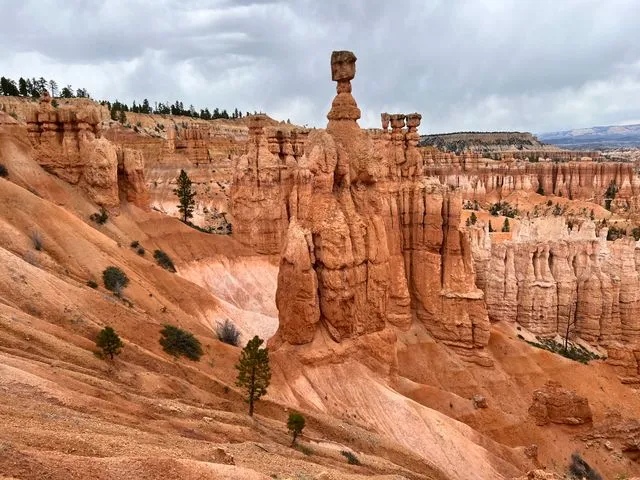
Why visit: Bryce Canyon’s hoodoos — tall, thin rock spires — create a landscape unlike anywhere else on the route, especially at sunrise.
Top experiences: Sunrise Point, Sunset Point, Inspiration Point, and the rim trail connecting them.
Best for: Photographers, sunrise chasers, and travelers who want big scenery without long hikes.
Recommended time: 1–2 days.
Capitol Reef National Park
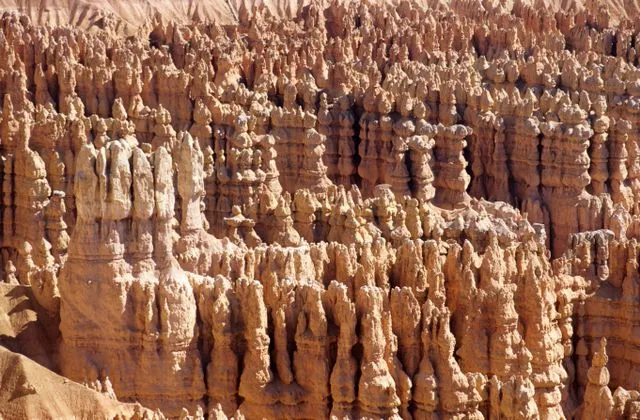
Why visit: The least crowded of the five, Capitol Reef offers a quieter pace along with striking geology and a surprising bit of pioneer history at the Fruita orchards.
Top experiences: The Scenic Drive, Capitol Gorge, and the historic Gifford Homestead area.
Best for: Travelers who want a scenic, relaxed stop between the busier parks.
Recommended time: 1–2 days.
Arches National Park
Why visit: Arches holds one of the highest concentrations of natural stone arches in the world, including the widely photographed Delicate Arch.
Top experiences: Delicate Arch viewpoint, the Windows Section, and Devils Garden.
Best for: Photographers, sunset watchers, and travelers who enjoy short-to-moderate walks with big payoffs.
Recommended time: 1–2 days.
Canyonlands National Park
Why visit: As Utah’s largest national park, Canyonlands offers some of the most dramatic overlooks on the entire road trip, carved by the Colorado and Green Rivers.
Top experiences: Island in the Sky district, Mesa Arch at sunrise, and Grand View Point.
Best for: Travelers who want expansive views with minimal hiking required to reach them.
Recommended time: A half day to a full day, often paired with a nearby stop.
A future article will cover the best things to do in each of these parks in much greater depth.
Best Things to Do in Utah's Mighty 5
There’s more to this road trip than checking parks off a list. Here’s how to make the most of each stop, organized by park.
Zion National Park: Ride the park shuttle along Zion Canyon for the classic viewpoints, walk the Riverside Walk to the mouth of The Narrows, and consider an early start if you plan to hike further into the canyon. Sunrise light on the canyon walls is a favorite for photographers.
Bryce Canyon National Park: Catch sunrise at Sunrise Point or Sunset Point, then walk the rim trail between viewpoints for changing perspectives on the hoodoos. Because of its elevation, Bryce Canyon also offers some of the clearest night skies on the route — a stop worth planning around if stargazing interests you.
Capitol Reef National Park: Drive the Scenic Drive at a relaxed pace, stop at the historic orchards in Fruita, and visit the small visitor center for context on the park’s geology and history.
Arches National Park: Time a visit to Delicate Arch or the Windows Section for late afternoon light, and check current park guidance on timed-entry requirements before you go, since these can change seasonally.
Canyonlands National Park: Mesa Arch at sunrise is one of the most photographed spots in the entire Mighty 5 lineup. Grand View Point offers one of the widest panoramas on the whole trip and requires only a short walk from the parking area.
Travel Pro Tip: If sunrise photography is a priority, plan your overnight stays the night before around proximity to the specific viewpoint — arriving even 20 minutes late at Mesa Arch or Sunrise Point can mean losing the best light.
Best Utah Mighty 5 Road Trip Route
Most travelers approach the Mighty 5 as a loop or a one-way route, often starting near Las Vegas or Salt Lake City, since both cities have major airports within driving distance of Zion or the Moab-area parks.
A common flow moves from Zion (southwest Utah) east to Bryce Canyon, continues east through Capitol Reef, and finishes in the Moab area, where Arches and Canyonlands sit close together. Travelers starting in Las Vegas often begin at Zion and finish near Moab before flying out of Salt Lake City or Grand Junction, Colorado, while those starting in Salt Lake City sometimes reverse the order.
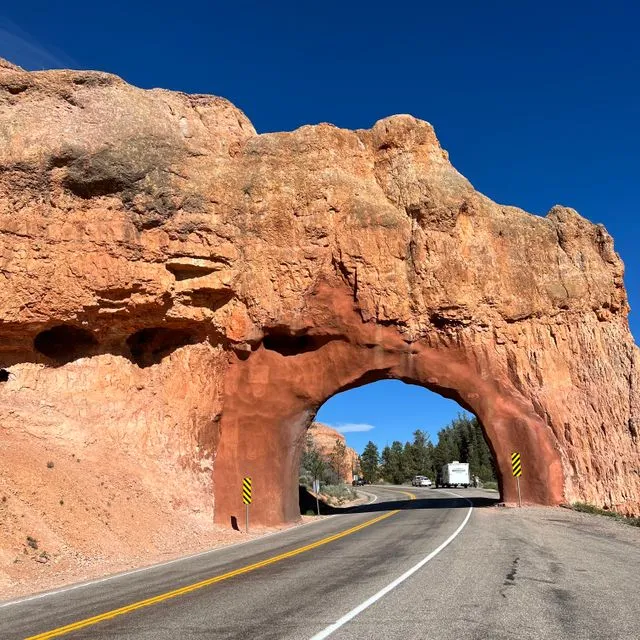
Along the way, the drive itself becomes part of the experience — the route between Bryce Canyon and Capitol Reef, in particular, passes through some of the most scenic stretches of highway in the state.
We recommend confirming current driving times and road conditions directly before finalizing a route, since conditions and closures can shift seasonally.
Travel Pro Tip: Building in flexibility for at least one “buffer” day on a Mighty 5 road trip makes a noticeable difference — weather, road conditions, or simply wanting more time somewhere unexpected can otherwise throw off a tightly scheduled itinerary.
How Many Days Do You Need for Utah's Mighty 5?
The honest answer depends on pace, but here’s how the most common trip lengths compare.
|
Trip Length
|
Best For
|
Trade-Offs
|
|---|---|---|
|
5 Days
|
Travelers with limited time who want the highlights
|
Less flexibility, more driving per day
|
|
7 Days
|
Most travelers; a balanced mix of parks and pacing
|
Still requires some early starts
|
|
10 Days
|
Travelers who want a relaxed pace and extra stops
|
Requires more vacation time
|
5-Day Trip
A five-day Mighty 5 trip works for travelers with limited vacation time who are comfortable prioritizing a few key parks over trying to see everything in depth. This pace usually means shorter stops at Capitol Reef or Canyonlands in favor of more time at Zion and Arches.
7-Day Trip
Seven days is the most popular length for a Utah Mighty 5 itinerary. It allows one to two nights near each major park cluster without feeling rushed, while still being achievable within a standard vacation window.
10-Day Trip
A ten-day trip allows for a genuinely relaxed pace, additional scenic stops between parks, and room for weather delays or simply lingering longer at a favorite viewpoint. This length works well for multigenerational trips or travelers who prefer not to feel like they’re racing the clock.
7-Day Utah Mighty 5 Itinerary
This sample itinerary focuses on realistic pacing rather than cramming in every possible stop.
Day 1: Arrive and settle in near Springdale, at the entrance to Zion National Park.
Day 2: Full day exploring Zion Canyon via the park shuttle, with an easy walk along the Riverside Walk.
Day 3: Morning in Zion, then drive to the Bryce Canyon area in the afternoon.
Day 4: Sunrise at Bryce Canyon, followed by time along the rim trail, then drive toward Capitol Reef.
Day 5: Explore Capitol Reef’s Scenic Drive and Fruita orchards, then continue toward Moab.
Day 6: Full day in Arches National Park, timing a visit to Delicate Arch or the Windows Section for late-day light.
Day 7: Sunrise at Canyonlands’ Island in the Sky district, with stops at Mesa Arch and Grand View Point before departure.
10-Day Utah Mighty 5 Itinerary
A ten-day version of this trip adds breathing room, extra scenic stops, and time for optional detours.
Building on the seven-day structure above, a ten-day itinerary adds an extra day at Zion for a longer hike or a second scenic viewpoint, an additional day around Capitol Reef to explore Cathedral Valley or nearby scenic pullouts, and an extra day near Moab to split time between Arches and Canyonlands rather than rushing both into back-to-back days. This extra time also allows for a stop along Scenic Byway 12 or a detour into Grand Staircase–Escalante, both known for photography and quieter scenery away from the main park crowds.
Travel Pro Tip: If you only have time to slow down in one place, Capitol Reef is often the most rewarding choice — it’s the least crowded of the five parks, which makes an unhurried pace feel especially worthwhile.
Best Things to Do in Utah's Mighty 5 Without Hiking
Strenuous hiking is not required to enjoy the Mighty 5, and this is one of the most common questions from families, multigenerational groups, and travelers with limited mobility.
Zion National Park: The park shuttle system allows visitors to see the majority of Zion Canyon’s most photographed viewpoints without hiking. The Riverside Walk is paved and relatively flat.
Bryce Canyon National Park: Sunrise Point, Sunset Point, and Inspiration Point are all accessible via short walks from parking areas, offering some of the best views in the park with minimal walking.
Capitol Reef National Park: The Scenic Drive allows visitors to experience much of the park’s geology from the comfort of a car, with several pullouts along the way.
Arches National Park: The Windows Section and Balanced Rock are both accessible via short, mostly flat walks close to parking.
Canyonlands National Park: Grand View Point and several other Island in the Sky overlooks require only a short walk from the parking area to take in some of the biggest views on the entire trip.
This approach works especially well for older travelers, multigenerational families traveling with a range of ages and abilities, and anyone who wants to prioritize photography and scenery over physical exertion.
Best Time to Visit Utah's Mighty 5
Spring
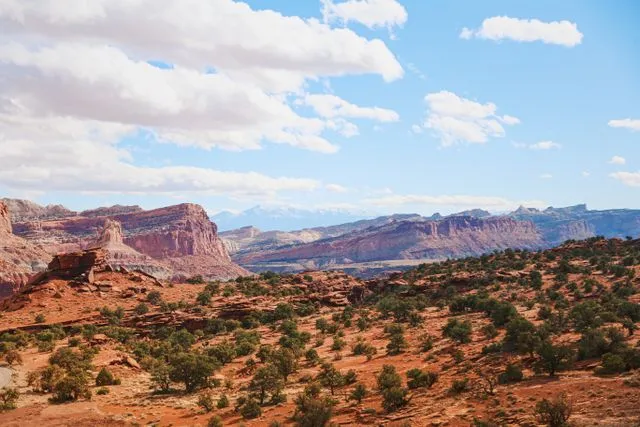
Spring (roughly March through May) offers mild daytime temperatures and blooming desert landscapes, though nights can still be cold, especially at higher elevations like Bryce Canyon. Crowds begin building toward summer levels by late spring.
Summer
Summer is the most popular season, with long daylight hours ideal for early starts and late sunsets. Daytime heat in the lower-elevation parks like Zion, Arches, and Canyonlands can be intense, making early mornings and evenings the best times for outdoor activities.
Fall
Fall (September through November) is a favorite among experienced Mighty 5 travelers, offering comfortable temperatures, thinner crowds than summer, and excellent light for photography.
Winter
Winter brings the smallest crowds and a quieter version of each park, though snow and cold temperatures — particularly at Bryce Canyon’s higher elevation — can affect road conditions and require extra planning.
|
Season
|
Weather
|
Crowds
|
Best For
|
|---|---|---|---|
|
Spring
|
Mild days, cool nights
|
Moderate, building
|
Wildflowers, comfortable hiking
|
|
Summer
|
Hot days, warm nights
|
Highest
|
Long daylight hours, family trips
|
|
Fall
|
Mild and comfortable
|
Moderate
|
Photography, fewer crowds
|
|
Winter
|
Cold, possible snow
|
Lowest
|
Quiet visits, dramatic light
|
Travel Pro Tip: If avoiding crowds is a priority, September and early October offer some of the best combination of comfortable weather and thinner visitor numbers across all five parks.
Utah Mighty 5 Travel Tips
- National park passes: If visiting multiple parks, compare the cost of individual entrance fees against an annual pass before you go.
- Reservations: Some parks and specific trails may require permits or timed-entry reservations depending on the season — confirm current requirements before your trip.
- Shuttle systems: Zion’s shuttle is often required during peak season; check current operating details ahead of time.
- Water and sun protection: The desert climate can be dehydrating even in cooler months. Pack more water than you think you’ll need, along with sun protection.
- Layers: Temperatures can swing significantly between morning and afternoon, especially at higher elevations like Bryce Canyon.
- Fuel and cell service: Distances between towns can be significant, and cell service is unreliable in many stretches — fill up on fuel when you can and download offline maps in advance.
- Starting early: Popular viewpoints and parking areas fill up quickly during peak season; an early start is one of the simplest ways to improve the experience.
Travel Pro Tip: Download offline maps for each stretch of the drive before you leave your hotel each morning — cell service gaps between parks are common, and it’s easier to prepare ahead than to mid-drive.
Common Utah Mighty 5 Road Trip Mistakes
• Trying to see everything too quickly, which often leads to exhaustion rather than enjoyment.
• Underestimating driving time, especially on scenic but slower back roads.
• Not building in flexibility for weather, road conditions, or simply wanting more time somewhere.
• Packing incorrectly for changing temperatures, particularly between desert floor and higher-elevation stops.
• Not checking park conditions or closures before arrival.
• Ignoring reservation or permit requirements for specific trails or timed entry.
• Not planning fuel stops in advance, given the distances between towns.
• Booking accommodations too late, especially during peak spring and fall seasons.
Who Is the Utah Mighty 5 Road Trip Best For?
This trip is genuinely versatile, but it tends to work especially well for:
• Couples looking for a mix of adventure and scenic downtime.
• Families who want a memorable trip with a balance of activity and flexibility.
• Multigenerational travelers, thanks to the number of low-hiking, high-reward viewpoints across all five parks.
• Active travelers who want access to some of the best hiking in the national park system.
• Scenic travelers and photographers, given the sheer range of landscapes across the five parks.
• First-time national park visitors, since the route offers an accessible introduction to five very different park experiences.
• Travelers who prefer a slower pace, particularly on a 10-day version of the itinerary.
How a Travel Advisor Can Help Plan a Utah Mighty 5 Trip
A trip covering five national parks, several small gateway towns, and hundreds of miles of driving involves a lot of moving pieces — route sequencing, realistic pacing, accommodation timing, and knowing which reservations need to be booked well in advance.
A travel advisor can help build a realistic day-by-day itinerary based on your specific interests, whether that means prioritizing hiking, photography, family-friendly pacing, or a slower multigenerational trip. An advisor can also help coordinate accommodations across four or five different towns, factor in seasonal timing, and adjust the plan if your interests shift once you start researching. The goal isn’t to replace your own planning instincts — it’s to make sure the trip runs smoothly and reflects how you actually want to travel.
Frequently Asked Questions
What are Utah’s Mighty 5?
Utah’s Mighty 5 refers to the state’s five national parks: Zion, Bryce Canyon, Capitol Reef, Arches, and Canyonlands.
How many days do you need for the Mighty 5?
Most travelers plan for 5 to 10 days, with 7 days being the most common length for a balanced trip.
Can you do Utah’s Mighty 5 in 7 days?
Yes. A 7-day itinerary is one of the most popular options and allows time at each park without feeling overly rushed.
What is the best route for Utah’s Mighty 5?
Most travelers follow a route from Zion in the southwest, east through Bryce Canyon and Capitol Reef, finishing near Moab at Arches and Canyonlands.
What is the best time of year to visit?
Spring and fall generally offer the most comfortable weather and moderate crowds, though each season has its own advantages.
Can you visit the Mighty 5 without hiking?
Yes. Each park offers scenic drives, accessible viewpoints, and short walks that don’t require strenuous hiking.
Which Utah national park is the best?
Each park offers something different — Zion for canyon scenery, Bryce Canyon for hoodoos, Capitol Reef for quiet scenic drives, Arches for iconic rock formations, and Canyonlands for expansive overlooks. The “best” park often depends on personal preference.
Where should you stay during a Mighty 5 road trip?
Common bases include Springdale (Zion), Bryce Canyon City, Torrey (Capitol Reef), and Moab (Arches and Canyonlands).
Is Utah’s Mighty 5 good for families?
Yes. The mix of easy viewpoints, shuttle systems, and moderate hikes makes it a flexible trip for families with a range of ages.
Is Utah’s Mighty 5 suitable for older travelers?
Yes, particularly when the itinerary emphasizes scenic drives and accessible viewpoints rather than strenuous trails.
Ready to Plan Your Utah Mighty 5 Trip?
Utah’s Mighty 5 is one of the most rewarding road trips in the country, but the details — pacing, sequencing, reservations, and where to stay — are what turn a good trip into a great one. If you’re ready to start building a personalized itinerary, schedule a complimentary travel consultation with Michele Wirth, Owner of Simply Inspired Travel, to talk through your interests and start planning your trip.
Prefer to explore your options first? Take a look at the Simply Inspired Travel advisor team to find the advisor whose style and destination expertise best match what you’re looking for.