
There’s a particular kind of exhaustion that comes from planning a family vacation — the spreadsheet of flight times, the group chat about who’s bringing sunscreen, the 11 PM packing session the night before you leave. If that sounds familiar, you’re not doing anything wrong. You’re just missing a system.
A stress-free family vacation isn’t about luck, and it isn’t about spending more money. It’s about having the right framework — one that covers the planning stage, the trip itself, and even what happens after you get home. This guide gives you that framework, with checklists, timelines, and practical advice for families of every shape: young kids, teens, special needs travelers, and multi-generational groups traveling together.
Why Family Vacations Become Stressful
Before fixing the problem, it helps to understand it. Most vacation stress comes down to three root causes:
• Overplanning the itinerary — trying to fit in too much, leaving no room for rest or the unexpected
• Underplanning the logistics — budget, packing, and documents handled at the last minute
• Mismatched expectations — parents wanting a “vacation” while kids need a “trip,” which are not the same thing
The fix is a structured approach that separates planning into three clear phases: before, during, and after the trip.
Phase 1: Pre-Trip Planning (4–12 Weeks Out)
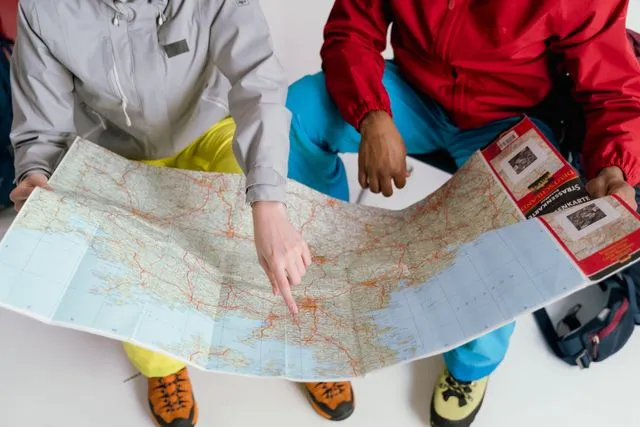
This is where 80% of vacation stress is either created or eliminated. Treat this phase like a project with a timeline.
Step 1: Choose the Right Destination
Match the destination to your family’s current stage, not the trip you took before kids, or the one you’ll take once they’re grown.
• Young kids (0–6): Shorter travel times, resorts with kids’ clubs, familiar food, pools or beaches
• School-age kids (7–12): Theme parks, national parks, interactive museums, more physical stamina
• Teens: A mix of independence and adventure — city trips, hiking, water sports, some unstructured free time
• Special needs travelers: Destinations with accessibility accommodations, sensory-friendly attractions, and flexible cancellation policies
• Multi-generational groups: Locations offering a range of activity intensity so every generation can opt in or out
Step 2: Build a Realistic Budget
Use a simple budgeting sheet with these categories:
• Transportation (flights, gas, tolls, rental car)
• Accommodation
• Food (often underestimated — budget more than you think)
• Activities and admission tickets
• Travel insurance
• Souvenirs and incidentals
• Emergency buffer (10–15% of total budget)
Budget range guidance:
• Budget-conscious ($1,000–$2,500 for a family of four, domestic): Drive-to destinations, vacation rentals with kitchens, free outdoor attractions
• Mid-range ($2,500–$5,000): Flights, 3-star hotels or resorts, one or two paid attractions per day
• Higher-budget ($5,000+): All-inclusive resorts, international travel, private tours or guides
Step 3: Book Core Logistics Early, Keep the Rest Flexible
• Lock in flights and accommodations 6–8 weeks out for the best combination of price and availability
• Choose refundable rates where possible, especially for families with young kids or health considerations
• Leave at least one full day per week of travel unscheduled
Step 4: Build a Flexible Itinerary
A good itinerary is a loose guide, not a strict schedule.
• One anchor activity per day
• Downtime built in after early afternoon
• A backup plan for bad weather or closures
• No more than 2–3 major activities scheduled per day
Pre-Trip Checklist (Print or Copy This)
Destination and dates confirmed
Budget sheet created and shared with all traveling adults
Flights/transportation booked
Accommodation booked (confirm cancellation policy)
Travel insurance purchased
Passports/IDs valid and packed
Medications and prescriptions filled
Itinerary drafted with built-in downtime
Packing lists created for each family member
Pet care/house sitting arranged
Important documents digitized and stored in the cloud
Kids involved in choosing at least one activity
Phase 2: During the Trip
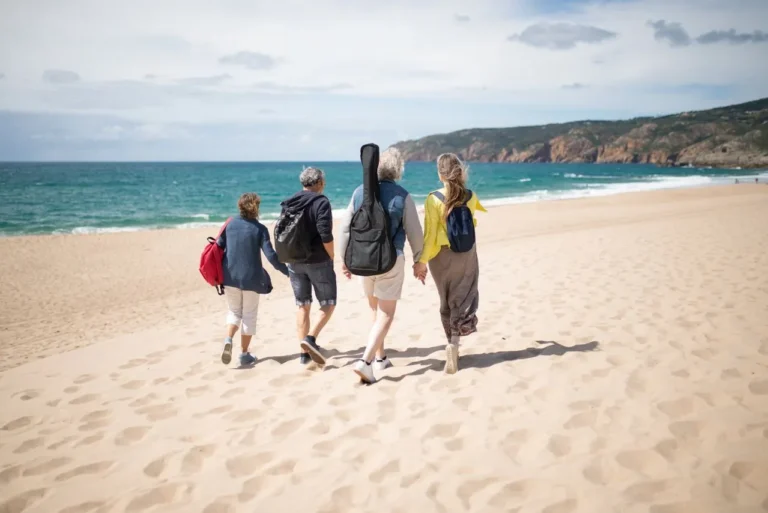
Once you’re traveling, the goal shifts from planning to protecting the experience.
Travel Day Survival Tips
• Pack entertainment and snacks in every carry-on or car bag
• Arrive at airports earlier than you think necessary, especially with car seats or strollers
• Bring a comfort item for younger kids (blanket, stuffed animal)
• Expect delays — build a two-hour buffer into travel-day plans when possible
Daily Rhythm for a Calmer Trip
• Start big activities earlier in the day, before energy and patience run low
• Schedule downtime after lunch, especially for families with young kids
• Check in with older kids and teens about what they want to do that day — flexibility increases buy-in
• Rotate “parent on duty” if traveling with a partner, so everyone gets a break
Special Considerations by Family Type
Traveling with young kids:
• Stick close to nap/sleep schedules where possible
• Pack extra snacks and a change of clothes for every outing
Traveling with teens:
• Offer limited independence (a few hours to explore with a sibling or friend)
• Involve them in choosing at least one full day’s plan
Traveling with special needs family members:
• Call ahead to attractions about accessibility and sensory accommodations
• Build in extra transition time between activities
• Carry a printed care plan and medication list in case of emergency
Multi-generational trips:
• Schedule at least one “everyone together” activity and one “optional” activity per day
• Choose accommodations with separate sleeping areas or suites when possible
During-Trip Checklist
Daily itinerary reviewed each morning (loosely)
Snacks and water restocked daily
Photos backed up to cloud storage
Check-in call/text home if needed
Budget tracked against daily spending
Phase 3: Post-Trip Wrap-Up
This phase is skipped by most families — and it’s the one that makes your next trip easier.
• Unpack and do laundry within 24 hours to reduce post-vacation overwhelm
• Review your budget sheet: where did you overspend or underspend?
• Write a five-minute reflection: what worked, what didn’t, what you’d change
• Back up photos and organize them while memories are fresh
• Send thank-you notes or reviews if staying with hosts or using a travel agent

Post-Trip Checklist
Luggage unpacked and laundry started
Budget reconciled against actual spending
Trip notes/reflection saved for future planning
Photos backed up and organized
Any warranty/insurance claims filed (lost luggage, etc.)
Final Thoughts
A stress-free family vacation isn’t a trip without any hiccups — it’s a trip where you’ve planned enough to handle the hiccups without them derailing everyone’s mood. By separating your planning into pre-trip, during-trip, and post-trip phases, and adjusting your approach for your family’s specific mix of ages and needs, you shift the entire experience from reactive to intentional.
The result isn’t a perfect vacation. It’s a genuinely enjoyable one — for the kids, the teens, the grandparents, and especially for you.
Frequently Asked Questions
How far in advance should I start planning a family vacation?
For domestic travel, start 6–8 weeks out. For international trips or peak travel seasons, begin 3–4 months in advance to secure better pricing and availability.
What’s the most common mistake families make when planning a trip?
Overpacking the itinerary. Scheduling too many activities per day leads to exhausted kids and parents. A looser schedule with built-in downtime consistently produces a better experience.
How do I plan a family vacation on a tight budget?
Focus on drive-to destinations, accommodations with kitchens to reduce food costs, and free outdoor attractions like beaches, hikes, and parks. A detailed budget sheet tracking estimated versus actual spending also prevents overspending.
How can I make a trip easier for a family member with special needs?
Call attractions ahead of time to confirm accessibility and sensory accommodations, build extra transition time into the schedule, and carry a printed care plan and medication list for emergencies.
Ready to start planning?
Planning a family trip is easier with the right guide by your side. If you’d like personalised help mapping out your next getaway, schedule a 1:1 travel consultation with Michele Wirth or contact at Simply Inspired Travel